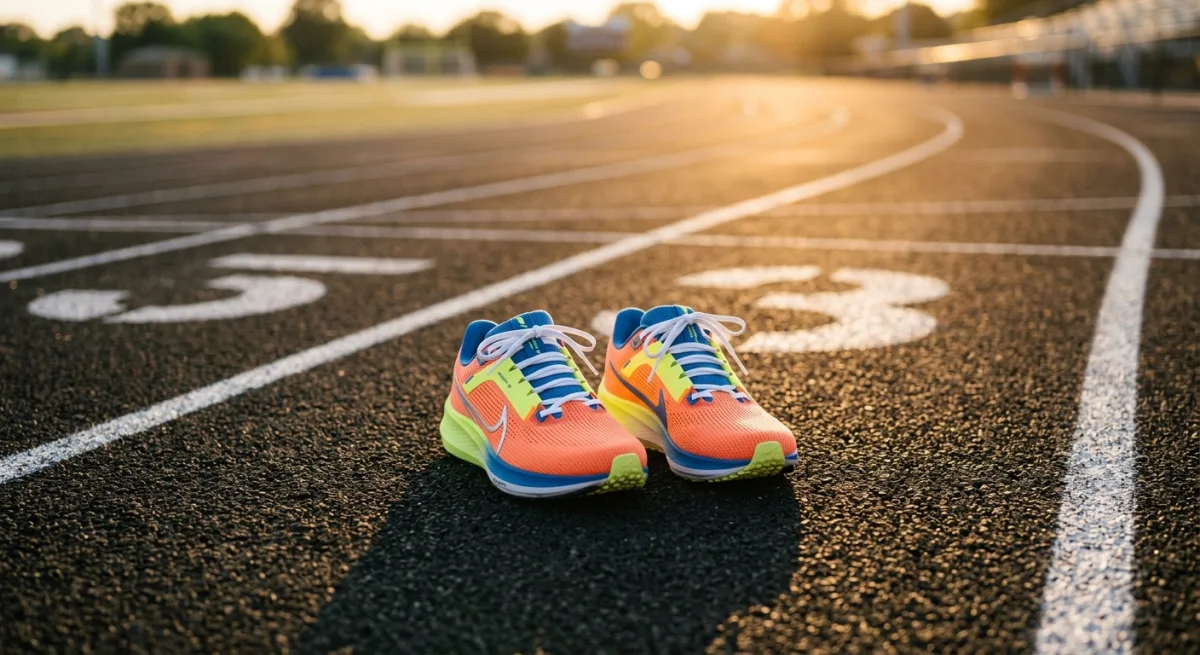

ΕΛΛΗΝΙΚΑ Why Choosing the Best Running Shoes Matters
Whether you are a seasoned marathoner or just starting your first couch-to-5K program, wearing the best running shoes for your foot type and running style is one of the most important decisions you can make. The right pair protects your joints, improves your efficiency, and helps prevent common injuries like shin splints, plantar fasciitis, and stress fractures. With hundreds of options on the market, knowing what to look for can feel overwhelming — but it does not have to be.
At eshop.marketup.pro, we believe every runner deserves gear that performs as hard as they do. Our curated selection of Shoes is designed to help you find the perfect fit, whether you prefer road running, trail adventures, or treadmill sessions.
Key Features to Look for in the Best Running Shoes
Not all running shoes are created equal. Before you buy, here are the most important features to evaluate:
1. Cushioning and Midsole Support
Cushioning determines how much impact absorption your foot receives with every stride. Maximum cushioning shoes are ideal for long-distance runners who need extra protection on hard surfaces. Minimal cushioning (or barefoot-style) shoes suit experienced runners who prefer a more natural ground feel. Most runners fall somewhere in between, needing a moderate stack height that balances responsiveness with protection.
2. Heel Drop
Heel drop refers to the difference in height between the heel and the toe of the shoe. A high heel drop (10–12mm) suits heel strikers and runners with tight calves. A low heel drop (0–6mm) encourages a more midfoot or forefoot strike. Choosing the wrong drop for your gait can cause discomfort or injury over time.
3. Foot Arch and Pronation Type
- Neutral arch: Look for neutral or cushioned running shoes.
- Flat feet (overpronation): Stability or motion-control shoes provide extra support.
- High arch (underpronation/supination): Cushioned shoes with flexible soles are the best match.
4. Shoe Width and Toe Box
A cramped toe box is a recipe for blisters and black toenails. Always look for shoes that give your toes room to splay naturally. Many brands now offer wide-fit options, which is especially important for runners with wider feet or those who run long distances where feet tend to swell.
5. Upper Material and Breathability
Modern running shoe uppers are typically made from engineered mesh, which offers both breathability and a lightweight, sock-like fit. Breathable uppers help regulate temperature and reduce moisture, keeping your feet comfortable on long runs. While you are gearing up for your runs, do not overlook accessories like a Cap to shield yourself from the sun or a comfortable Hoodie with Pocket for cooler morning sessions.
Road Running vs. Trail Running Shoes
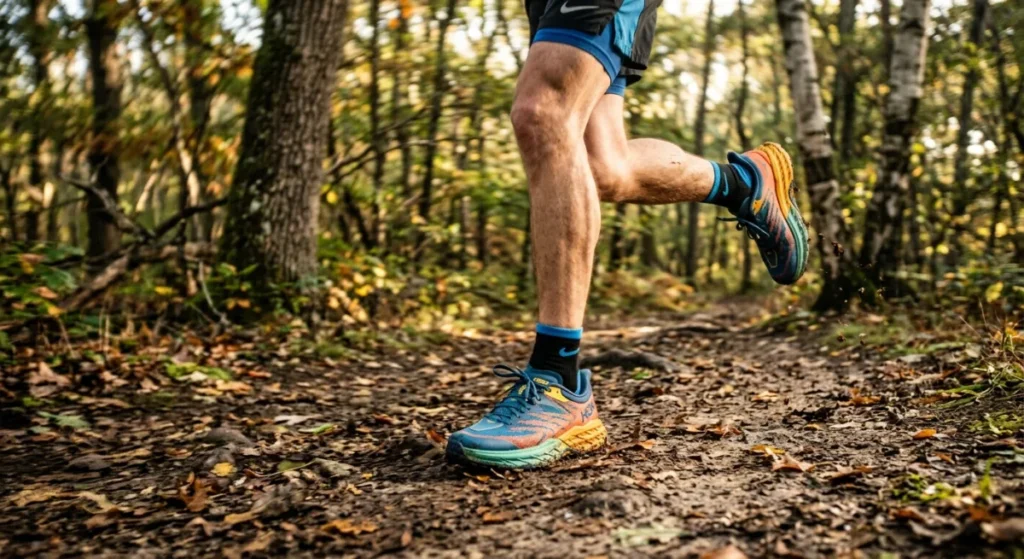
Understanding the terrain you run on is just as important as understanding your foot type. Road running shoes are built for pavement and hard surfaces — they prioritize lightweight design and responsive cushioning. Trail running shoes, on the other hand, feature aggressive rubber outsoles for grip on muddy, rocky, or uneven terrain, plus reinforced toe caps and more durable overlays.
If you switch between both environments, consider owning one pair of each, or look for versatile hybrid models that perform reasonably well on multiple surfaces.
How Often Should You Replace Your Running Shoes?
Even the best running shoes have a limited lifespan. Most experts recommend replacing your running shoes every 300 to 500 miles (approximately 480 to 800 km), depending on your body weight, running surface, and running style. Signs that your shoes are past their prime include compressed midsoles, worn-down outsoles, and new aches or pains that were not there before.
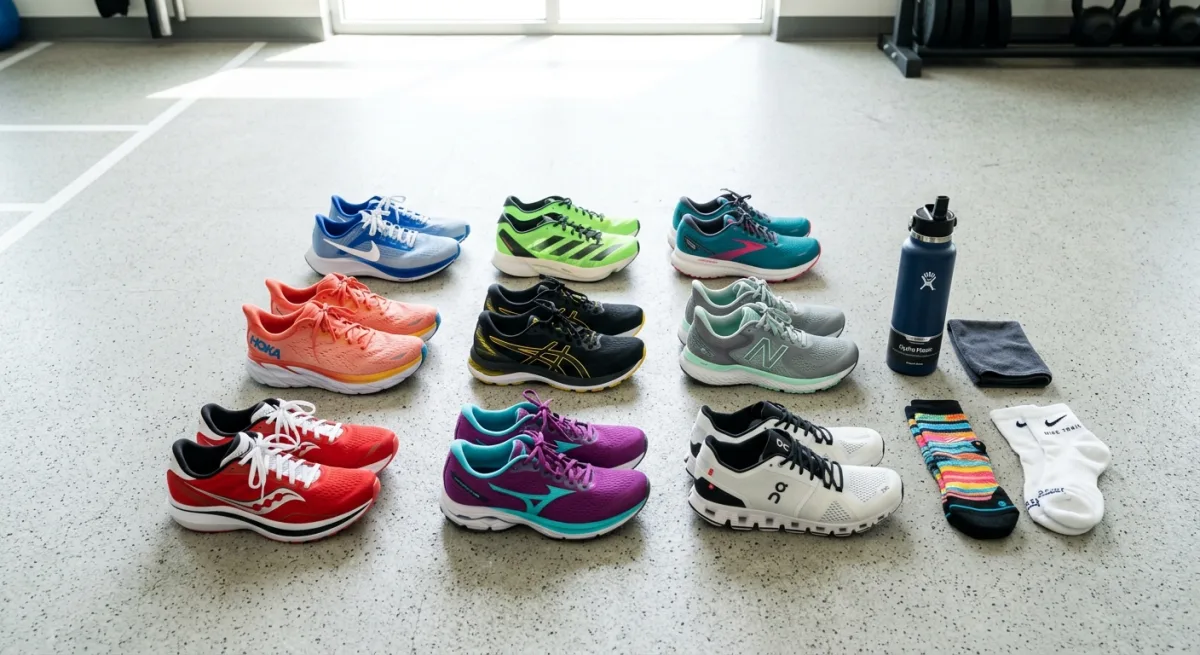
Rotating between two pairs of running shoes can actually extend the life of both pairs, as it gives the cushioning material more time to decompress between runs. Pair your shoes with the right accessories — a good Belt or a pair of Sunglasses can round out your running kit and keep you comfortable from head to toe.
Tips for Trying on Running Shoes
- Shop for shoes later in the day when your feet are at their largest.
- Wear the same socks you plan to run in.
- Leave a thumb’s width of space between your longest toe and the end of the shoe.
- Walk or jog around the store to test comfort and fit before committing.
- Do not assume your shoe size is the same across all brands — always measure.
Final Thoughts: Invest in Your Feet
Finding the best running shoes is a personal journey that depends on your unique biomechanics, goals, and preferences. There is no single perfect shoe — only the perfect shoe for you. Taking the time to understand your foot type, running gait, and the terrain you favor will pay dividends in comfort, performance, and injury prevention for years to come.
Ready to take the next step? Explore our full range of athletic footwear and running gear at eshop.marketup.pro. And if you want to complete your athletic wardrobe, check out our cozy Hoodie with Zipper — perfect for your warm-up and cool-down routines. Run smart, run strong, and run in the right shoes.